

The Independence of Art

The theory of “art for art’s sake” expresses the idea that art has an inherent value independent of its subject matter or any social, p...

A Growing Number of Corporate Entities are Acquiring Art
Why are a growing number of corporate entities acquiring art? The reason is multifaceted. First impressions count a lot in the busin...
Creating Peace And Tranquility With Colour
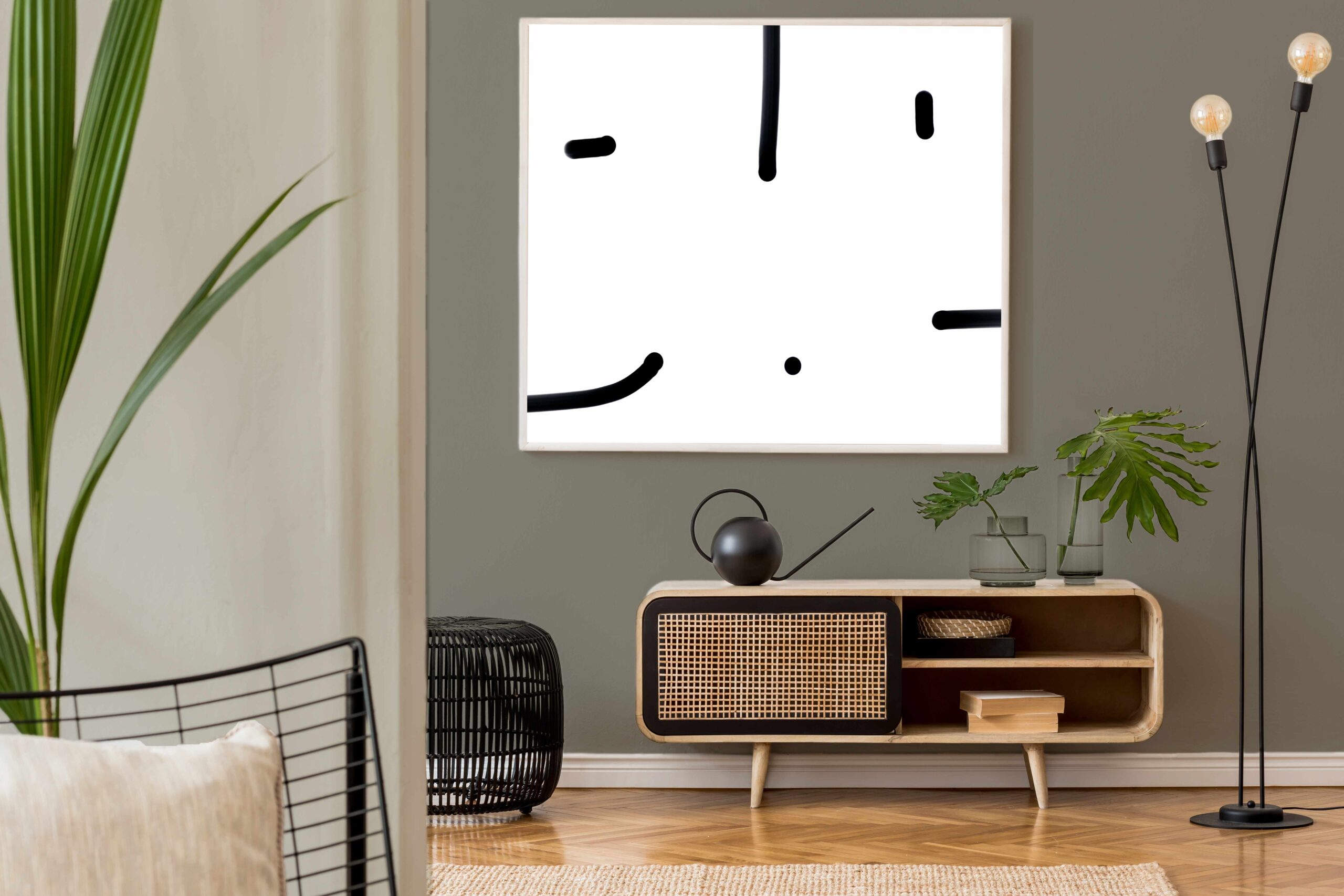
Japandi Interiors We can all do with more peace and tranquility and the Japandi interior design style does just that. The be...

Asymmetry Vs. Symmetry in Interior Design
With this interior, we decided to go with the asymmetrical design aesthetic by hanging the artwork to the left instead of in the centre, to create visual interest and draw attention to the featured art piece.
Breaking The Rules When Hanging Art
Hang Your Artwork Wherever the Heck You Want Breaking the rules when hanging art is an opportunity to make a statement that says, "I...
Art Deco
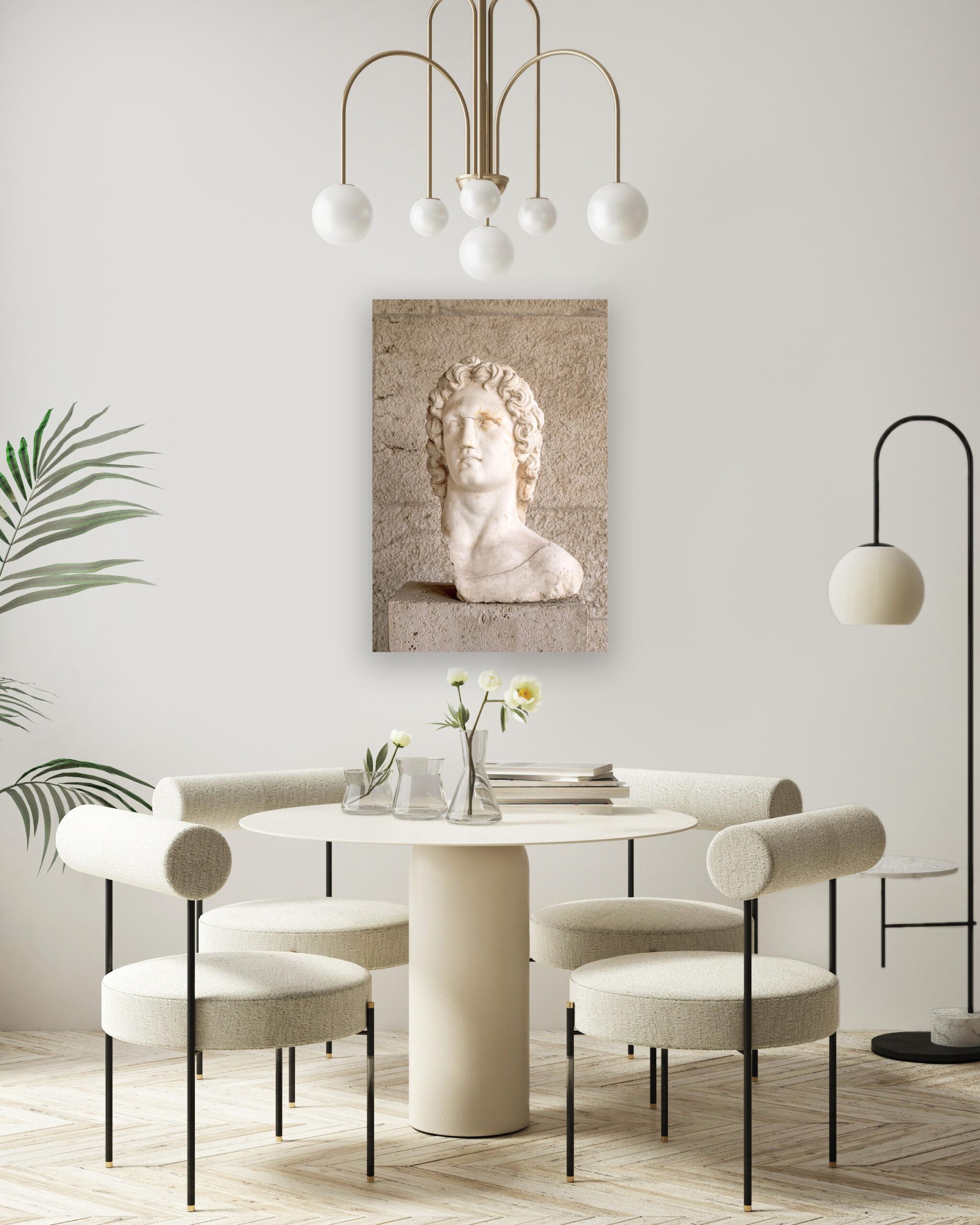
Art Deco was a very popular international design movement from 1925 to the 1940s and was the immediate successor of Art Nouveau. The di...

Mid-Century Modern Design Meets Postmodernism
The Mid-Century Modern design style, which spans from the mid-1940s until the late 1960s, with its characteristic simplicity, clean lin...

Complementary and Split-Complementary Colour Schemes
A short introduction to complementary and split-complementary colour schemes. Complimentary or contrasting colour schemes are create...

What Large Abstract Art Can Do For An Interior
Ever wondered what large abstract art can do for an interior? What are the benefits of bringing a large abstract painting into a home? ...

An Ode to the Classic Black and White
What images come to mind when you think of black and white? The glamour of Hollywood films or a classic Chanel suit? No matter the era,...